


Le dernier exemplaire de cette miniature a ete vendu
Ces autres miniatures pourraient vous interesser
Même marque : Volkswagen


Même origine : allemandes


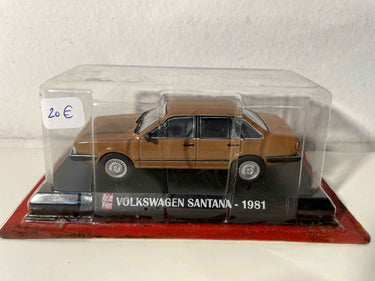


Model Car 1981 brown Volkswagen Santana - Auto Plus
Echelle: 1/43ème
Blister un peu cassé

Your payment information is processed securely.

Discover this exceptional 1981 brown Volkswagen Santana diecast model car, a meticulously crafted miniature that captures the essence of a pivotal era in European automotive history. This faithful reproduction, published by Auto Plus, reflects Volkswagen's international ambition during the transformative early 1980s. As a premium collectible die-cast vehicle, this scale model represents much more than a simple miniature: it embodies the global strategy of a rapidly expanding German brand, offering collectors an authentic fragment of contemporary automotive history and a tangible connection to the golden age of European sedan manufacturing.
Technical Specifications of This Diecast Model Car
- Model: Santana
- Brand: Volkswagen
- Year: 1981
- Scale: 1/43
- Color: Brown
- Protective case included: Yes
- Publisher: Auto Plus
- Condition: Collectible quality with original packaging
Historical Context: The Original Volkswagen Santana
The Volkswagen Santana emerged in 1981 as an innovative three-box sedan derived from the renowned Passat B2 platform. This model answered a growing demand for spacious and economical family vehicles, particularly favored in emerging markets where reliability and value converged. The Santana distinguished itself through its pragmatic German engineering design, combining legendary Teutonic robustness with unprecedented affordability for mainstream consumers.
From a technical standpoint, the Santana shared its mechanical foundation with the Passat but adopted a more traditional conservative silhouette featuring a separate trunk design that appealed to international markets. It was offered with several gasoline and diesel engine configurations, reflecting the decade's energy crisis diversification strategies. This versatile sedan perfectly embodied Volkswagen's core philosophy: simplicity, reliability, and efficiency without compromise.
The commercial success of the Santana proved remarkable, especially through its strategically relocated production across multiple countries. This model significantly contributed to Volkswagen's aggressive international expansion strategy, eventually becoming a cornerstone product in numerous emerging automotive markets worldwide.
Understanding the Appeal of 1:43 Scale Diecast Model Cars
The 1:43 scale represents one of the most prestigious and historically significant proportions in the diecast model car collecting world. This particular scale offers collectors an optimal balance between intricate detail and practical display dimensions, making it ideal for building comprehensive automotive collections. Enthusiasts particularly appreciate 1:43 scale models for their ability to showcase authentic design elements, paint finishes, and proportional accuracy that larger scales might exaggerate or smaller scales would necessarily simplify.
Contemporary diecast model car manufacturing has evolved dramatically with advanced production technologies including computer-aided design and precision casting techniques. These innovations enable manufacturers to reproduce even the most subtle design nuances, from accurate badging and trim details to faithful interior appointments. Collectors seeking investment-grade miniatures increasingly favor 1:43 scale pieces for their established market value and consistent appreciation potential within the collectibles marketplace.
Volkswagen's Strategic Transformation in the Early 1980s
In 1981, Volkswagen navigated a critical period of transformation. Following the phenomenal multi-generational success of the iconic Beetle, the Wolfsburg-based manufacturer faced mounting pressure to demonstrate its capability for continuous reinvention amid increasingly aggressive competition from European rivals and emerging Japanese manufacturers. This era marked significant range diversification initiatives and the bold internationalization of production facilities.
The German brand invested heavily in technical innovation, gradually introducing breakthrough technologies including electronic fuel injection systems, turbocharging applications, and advanced all-wheel drive configurations. This transformative period also signaled the beginnings of Volkswagen's strategic move upmarket that would ultimately culminate in the acquisition of Audi and the subsequent creation of the diversified Volkswagen Group automotive empire we recognize today. The Santana played an instrumental role within this grand strategy to penetrate new market segments and geographical territories previously dominated by established competitors.
Why Collect Diecast Model Cars from the 1980s Era?
Diecast model cars representing 1980s automobiles have experienced remarkable appreciation among serious collectors, driven by powerful nostalgia factors and the decade's distinctive automotive design language. This period witnessed significant technological advancements in real-world automotive engineering—from fuel injection becoming standard to early computerization—making scale models from this era particularly fascinating for automotive history enthusiasts.
The collectible die-cast market for 1980s vehicles continues expanding as younger collectors who grew up during this decade enter their peak earning years and begin pursuing childhood memories through quality miniatures. Industry analysis indicates that limited-edition releases and manufacturer-specific collections from this period consistently outperform broader market trends, with certain rare pieces appreciating substantially over time. Adult hobbyists now represent approximately 60% of the global diecast model car market, creating sustained demand for precisely detailed, historically significant pieces like this Volkswagen Santana.
An Extraordinary International Success Story
The Santana's history contains a remarkable narrative that perfectly illustrates the fascinating paradoxes inherent in the modern international automotive industry. While throughout Western Europe this model remained relatively niche compared to dominant competitors like the Renault 18 and various Peugeot 505 offerings, the Santana experienced an absolutely extraordinary destiny in the rapidly developing Chinese market that would reshape its entire legacy.
In 1983, Volkswagen negotiated a groundbreaking historic agreement with Shanghai Automotive Industry Corporation to establish local Santana production. This pioneering partnership, representing one of the very first foreign automotive ventures in the modernizing Chinese automotive industry, literally transformed what was considered a secondary European model into a significant cultural phenomenon throughout China. The locally-produced Santana rapidly evolved into a powerful symbol of emerging Chinese modernity, comprehensively equipping urban taxi fleets and government administration vehicle pools across the nation.
Even more remarkable proves the longevity: Chinese Santana production continued uninterrupted for over three decades! When the final Santana sedan ceremoniously rolled off the Shanghai production line in 2012, an astounding 4 million units had been meticulously assembled locally. This exceptional manufacturing longevity transformed the Santana into one of the most prolifically produced automobile models in global automotive history, even though this phenomenal commercial success remains largely unknown throughout Western markets.
This extraordinary Sino-German collaboration saga reveals how a single automobile model can transcend its original European market intentions to become a genuine sociological marker representing a specific time period and a civilization experiencing rapid modernization and economic transformation.
Building Your Volkswagen Diecast Model Car Collection
This meticulously crafted Volkswagen Santana diecast model car occupies a distinctive position within the specialized world of 1980s automotive miniatures and collectible die-cast vehicles. Its relative marketplace rarity renders it a particularly sought-after model among discerning collectors specializing in Volkswagen cars or comprehensive European sedan collections from this pivotal automotive decade.
This precision scale model pairs perfectly with other contemporary vehicles from the collection, particularly complementary Auto Plus vehicles manufactured during the identical era. It harmonizes admirably with competing French automotive productions, facilitating the creation of a coherent, comprehensive panorama documenting European automobile manufacturing excellence throughout the transformative early 1980s period.
Dedicated enthusiasts of contemporary automotive history and passionate collectors of family sedans will discover an authentic testimony representing a significant historical moment when the European automotive industry fundamentally redefined its operational codes and market strategies. This exceptional Santana miniature also serves as an excellent foundation piece for exploring the fascinating evolution of retro models and understanding their profound, lasting influence on contemporary automotive design philosophy.
Investment Potential of Vintage Diecast Model Cars
The collectible diecast model car market has demonstrated remarkable resilience and consistent growth patterns, with the global automotive scale model market projected to reach approximately $7 billion by 2030. Vintage pieces representing significant automotive milestones—particularly limited-edition releases from reputable publishers like Auto Plus—have shown impressive appreciation trajectories, especially when maintained in original packaging with protective cases.
Several factors contribute to the investment worthiness of quality diecast model cars: manufacturer reputation, historical significance of the represented vehicle, production quantity limitations, condition preservation, and original packaging integrity. The Volkswagen Santana, given its extraordinary production history and cultural significance in multiple international markets, represents a particularly compelling acquisition for collectors seeking pieces with authentic historical narratives beyond mere aesthetic appeal.
Market analysis indicates that adult collectors increasingly view premium diecast model cars as alternative investment vehicles, with certain limited-edition pieces appreciating by 300% or more within relatively short timeframes. The nostalgia-driven demand for 1980s automotive miniatures continues strengthening as demographic trends favor collectors who experienced this era firsthand, creating favorable long-term appreciation potential for well-preserved examples.
Caring for Your Diecast Model Car Collection
Proper preservation techniques prove essential for maintaining both the aesthetic quality and investment value of collectible diecast model cars. Display these precision miniatures away from direct sunlight exposure, which can cause paint fading and plastic component degradation over extended periods. Controlled humidity environments prevent metal oxidation and protect delicate decal applications from deterioration.
The included protective case provides excellent primary protection, but serious collectors often invest in dedicated display cabinets featuring UV-filtering glass and adjustable LED lighting systems that enhance visual presentation without causing heat-related damage. Regular gentle dusting using soft brushes or compressed air maintains pristine appearance without risking finish damage from cleaning cloths that might contain abrasive particles.
When handling diecast model cars, always grasp the base or chassis rather than delicate exterior components like mirrors, antennas, or opening elements. Original packaging preservation significantly impacts collectible value, so maintain boxes, certificates, and documentation in archival-quality storage materials. For insurance purposes, photograph your collection regularly and maintain detailed acquisition records documenting provenance and condition assessments.
The Art of Diecast Model Car Manufacturing
Contemporary diecast model car production represents a sophisticated fusion of traditional craftsmanship and advanced manufacturing technologies. The die-casting process involves injecting molten zinc alloy into precision-engineered steel molds under high pressure, creating the fundamental body components with exceptional dimensional accuracy and fine surface detail reproduction.
Following casting, components undergo meticulous hand-finishing processes including precision painting using automotive-grade finishes, detailed pad printing or tampo printing for badges and trim elements, and careful assembly of multi-material components. Premium manufacturers employ multiple paint layers and clear-coat applications to achieve authentic metallic finishes and depth that rival full-scale automotive paint processes.
Modern production techniques increasingly incorporate computer-aided design systems enabling unprecedented accuracy in reproducing complex curved surfaces and intricate details. Quality control protocols for collectible-grade diecast model cars often match or exceed standards applied to full-scale automotive components, ensuring that each piece meets exacting specifications for dimensional accuracy, paint finish quality, and assembly precision.
Frequently Asked Questions About Collecting Diecast Model Cars
What makes 1:43 scale the preferred choice for serious collectors?
The 1:43 scale strikes an optimal balance between displayable size and intricate detail reproduction, allowing manufacturers to incorporate authentic features like accurate interior details, proper wheel designs, and precise badging. This scale has historical significance as one of the earliest standardized model car proportions, creating extensive compatibility within collections and established market values that facilitate informed acquisition decisions.
How can I verify the authenticity of vintage diecast model cars?
Authentic vintage pieces typically feature manufacturer markings on the base plate, consistent with the stated production era's typical marking practices. Original packaging, when present, provides crucial authentication evidence through printing quality, materials consistent with the period, and correct manufacturer information. Consulting specialized references like the Diecast Collector magazine price guides or engaging with established collector communities helps verify authenticity and fair market values.
Are diecast model cars suitable investments?
Quality diecast model cars, particularly limited editions from reputable manufacturers representing historically significant vehicles, have demonstrated consistent appreciation patterns within the collectibles market. However, like all collectible investments, success requires knowledge, careful selection, proper preservation, and patience. Focus on pieces with compelling historical narratives, limited production runs, and exceptional manufacturing quality for optimal long-term value retention and appreciation potential.
How should I begin building a thematic diecast collection?
Successful thematic collections typically focus on specific criteria: particular manufacturers, historical periods, vehicle types, or scale preferences. Beginning collectors should research their chosen focus area thoroughly, establish acquisition budgets, prioritize quality over quantity, and connect with collector communities for guidance. Starting with readily available pieces while learning market dynamics allows skill development before pursuing rarer, more valuable acquisitions.
What distinguishes collectible-grade from toy-grade diecast models?
Collectible-grade diecast model cars feature superior materials, enhanced detail accuracy, multiple paint layers, authentic wheel designs, detailed interiors, and often incorporate opening elements like doors, hoods, or trunks. Manufacturing tolerances prove significantly tighter, ensuring precise panel gaps and consistent assembly quality. Collectible pieces typically include display-quality packaging and documentation, while toy-grade models prioritize durability and play value over historical accuracy and finish refinement.
Connecting with the Diecast Collecting Community
The international diecast model car collecting community offers invaluable resources for both beginning enthusiasts and experienced collectors. Established publications like Diecast Collector magazine provide comprehensive coverage of new releases, market trends, auction results, and historical retrospectives that inform acquisition strategies and deepen appreciation for this fascinating hobby.
Online forums and social media groups create opportunities for collectors worldwide to share knowledge, arrange trades, discuss preservation techniques, and celebrate remarkable finds. Major collector events and specialized auctions provide venues for viewing exceptional pieces, networking with fellow enthusiasts, and accessing rare models that seldom appear in conventional retail channels. Many collectors find that community engagement significantly enhances their enjoyment and success within this rewarding hobby.
Regional collector clubs often organize meetings, display events, and group purchasing opportunities that provide both social connection and practical benefits. These organizations frequently maintain lending libraries of reference materials, facilitate authentication services, and offer mentorship programs connecting experienced collectors with newcomers seeking guidance as they develop their collections and expertise.
The Future of Diecast Model Car Collecting
The diecast model car market continues evolving with technological innovations and shifting collector demographics creating new opportunities and challenges. Digital integration through augmented reality features, blockchain-based authentication systems, and online marketplaces expands access while raising questions about traditional collecting paradigms. However, the fundamental appeal of tangible, beautifully crafted miniatures representing automotive heritage remains undiminished.
Sustainability concerns increasingly influence manufacturing practices, with leading producers adopting eco-friendly materials and packaging solutions responding to collector preferences for environmentally responsible products. This Volkswagen Santana, representing an era when thoughtful engineering prioritized efficiency and longevity, resonates particularly well with contemporary values emphasizing quality and durability over disposability.
As automotive manufacturing itself transforms through electrification and autonomous technologies, diecast model cars preserving iconic internal combustion era designs gain additional historical significance. Collectors acquiring pieces like this Santana miniature secure not merely attractive display items but tangible connections to automotive heritage that future generations will study to understand our contemporary transportation landscape and the cultural values it embodied.
Conclusion: More Than Just a Miniature
This 1981 brown Volkswagen Santana diecast model car transcends its role as a simple collectible miniature. It represents a convergence of automotive history, manufacturing artistry, international business strategy, and cultural significance rarely embodied so completely in a single scale model. Whether you're an established collector seeking to complete a comprehensive 1980s European sedan collection, a Volkswagen marque specialist, or a newcomer attracted by the Santana's fascinating international success story, this precision die-cast reproduction offers exceptional value.
The combination of historical significance, manufacturing quality, relative marketplace scarcity, and compelling narrative makes this Auto Plus Volkswagen Santana an outstanding acquisition for discerning collectors. With its protective case ensuring long-term preservation and the 1:43 scale providing optimal display characteristics, this diecast model car deserves consideration as a cornerstone piece within any serious automotive miniature collection focused on pivotal vehicles that shaped international automotive markets and manufacturing practices during the transformative 1980s decade.
Frequently Asked Questions
How to understand the scales of miniatures?
Scale indicates the reduction ratio between the real car and the miniature. For example, at 1:43 scale, each centimeter on the miniature corresponds to 43 centimeters on the real vehicle.
Concretely, a 1/18 scale Ferrari model is approximately 25-30 cm long, while in 1/43 scale it measures approximately 10 cm.
What scales are available?
Our model cars are mainly offered in 1/43, 1/24, 1/18 and 1/87 (HO) scales. The scale is always indicated in the product sheet.
The smaller the second number, the larger the model car (e.g. 1/18 is larger than 1/43).
Does the model car come with protection?
Yes, each model car is systematically delivered in its protective box. This box preserves the collectible value and protects your model car from dust and shocks.
How is my package protected during transport?
We package each order with the utmost care: bubble wrap, appropriate cushioning, and polystyrene. Your model car is perfectly secure during its journey.
What is the delivery time?
In-stock items are shipped within 24-48 hours. Please allow 2-3 business days for France via Colissimo or 4-5 days via Mondial Relay.
The model car is no longer in stock, when will you have it?
It's impossible for me to know exactly when I'll receive a new stock because I receive arrivals in dribs and drabs. Please contact me so I can keep you informed as soon as it's available.
What our customers say
Customer feedback and testimonials